
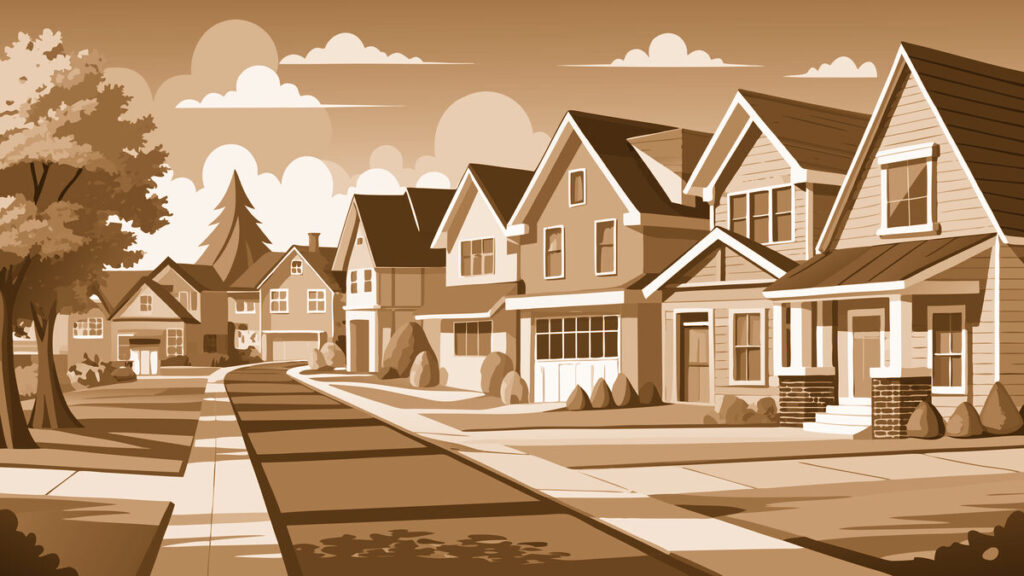
Houston Barnard Tract, nestled in the heart of Brighton, NY, is a neighborhood whose beauty is matched only by its fascinating history. Stroll along its tree-lined streets, and you’ll feel echoes of a past shaped by ambition, civic spirit, and a deep appreciation for aesthetics. This article shines a light on how the area blossomed from farmland to one of Brighton’s most treasured neighborhoods, why it bears the Houston Barnard name, and which landmarks capture the essence of its heritage.
The Origins: From Rural Farmland to Elegant Suburb
In the early 20th century, the landscape that would become Houston Barnard Tract looked vastly different. Brighton, once predominantly rural, was undergoing a transformation influenced by Rochester’s rapid suburban expansion. The land itself was part of expansive estates and farms, crisscrossed by future roads like Highland Avenue, East Avenue, and the winding paths of Elmwood and Sandringham Roads.
It was during this era that Houston Barnard, a prominent local developer, saw the area’s potential. With vision and determination, he began to assemble parcels of land, aiming to create a residential enclave reflecting both elegance and harmony with nature.
How Houston Barnard Tract Got Its Name
The neighborhood owes its distinctive name to its founder, Houston Barnard. Known for his refined taste and community-minded spirit, Barnard played a pivotal role in shaping the northern reaches of Brighton. Drawing inspiration from the City Beautiful movement, he envisioned a place where architecture, landscape, and community values would all thrive.
Houston Barnard worked closely with landscape architects—most notably Alling DeForest, a protégé of the famed Frederick Law Olmsted—to craft the tract’s layout. Winding streets, broad setbacks, uniform tree plantings, and generous lawns became hallmarks of the area, distinguishing it from more grid-like urban neighborhoods.
Key Historical Milestones
Houston Barnard Tract’s development began in earnest during the 1910s and 1920s. The Barnard company set high standards for both design and construction, requiring that homes meet strict architectural guidelines. This decision laid the foundation for decades of visual beauty and enduring property values.
Some key milestones in the neighborhood’s story include:
- 1911: Houston Barnard acquires land from several Brighton families and announces plans for the tract.
- 1913-1920: Early homes are constructed, featuring architectural styles such as Colonial Revival, Tudor, and Arts & Crafts.
- 1920s: The neighborhood’s distinct formality is solidified through deed restrictions and the shaping of signature streets like Pelham Road and Sandringham Road.
- 1950s-1960s: As Brighton continues to grow, Houston Barnard Tract remains a sought-after address, recognized for its stability, beauty, and sense of community.
Notable Landmarks and Buildings
The neighborhood is characterized by its stately homes, but several landmarks stand out for their history and architectural splendor:
- James G. Cutler House (930 East Avenue): A magnificent example of Georgian Revival style, the Cutler House is a centerpiece, chosen by Barnard himself to set the tone for the area.
- Barnard Estate Gateposts (at East Avenue and Pelham Road): These elegant stone pillars once marked the entrance to the Barnard family’s own estate, welcoming residents and visitors alike.
- The Historic Gardens: Many homes were designed with integrated gardens and landscaping by DeForest, blending indoor living with Brighton’s natural heritage.
Several religious and cultural institutions have made their home in and around Houston Barnard Tract, including Temple B’rith Kodesh and the Brighton Memorial Library—places that reinforce the neighborhood’s community-oriented values.
Evolution Through the Decades
Though the Houston Barnard Tract sprang from early 20th-century ideals, its evolution is a testament to flexibility and lasting appeal.
- Preservation and Renewal: Residents have long admired the neighborhood's architectural integrity. Many homes have been lovingly restored, and local protections encourage sensitive renovations.
- Community Life: Block parties, garden tours, and neighborhood associations foster a close-knit spirit among residents. Long-time neighbors often recall days when children rode bikes down Elmwood Road, or summer evenings spent under the canopies of century-old trees.
- Diversity and Inclusion: While the Houston Barnard Tract was once home to largely affluent families, the area today welcomes people from all walks of life. New generations invest in the community’s enduring values and vibrant traditions.
Streets and Green Spaces: Modern Treasures
Houston Barnard Tract is defined as much by beautiful streets as by its buildings. Sandringham, Normandy, Pelham, and St. Regis Roads curve gracefully, lined with dogwoods, maples, and sweeping front lawns. Highland Avenue and Elmwood Avenue mark the boundaries and provide quick access to Brighton’s other amenities.
Nearby, the Highland Park neighborhood—famed for its annual Lilac Festival—blends seamlessly into Houston Barnard’s lawns and gardens, lending extra charm in springtime bloom. Many residents also frequent the tranquil spaces of Twelve Corners and the Brighton Town Park for recreation and relaxation.
Why Houston Barnard Tract Remains Special
What makes this neighborhood exceptional isn’t just its lovely architecture or storied past. It’s the community spirit, cultivated year after year, that sets Houston Barnard Tract apart. From cherished traditions to efforts at preservation, this is a place where neighbors become friends and history is always present—alive in every brick, tree, and gathering.
If you find yourself wandering these picturesque lanes, pause for a moment and listen. You may just hear the footsteps of Houstons and Barnards of yesteryear; their legacy, kept alive by today’s residents, is the real heartbeat of this remarkable Brighton enclave.